TWHP
William Ralston, 1826-1875
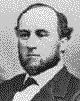
A towering figure during San Francisco's first 25 years, William Ralston was immortalized as the man who built the City. After growing up watching the waterborne traffic of the Ohio River, Ralston took to the river himself as a clerk working out of New Orleans, where he distinguished himself as a smart, reliable young man. He started West in 1848, but ended up spending three years in Panama instead, where he became involved in the local revolutions and business shenanigans of the interests trying to monopolize the shipping to and from the Isthmus. He finally made it to San Francisco for the first time in 1851, when he was drafted to fill in for a disabled ship captain whose ship was headed north. It was 1854 before he moved to the City, where he worked for Commodore Vanderbilt's shipping concerns at first; then he entered the banking business with enthusiasm, lending money to any with a good idea and the ability to bring it to fruition. With Darius Ogden Mills, Ralston founded the Bank of California in 1864, and within a year or two he controlled the Comstock Lode, one of the greatest mining strikes ever found. With the ensuing wealth he built railroads, shipping lines and countless buildings and industries. San Francisco's most ubiquitous promoter, he wanted to turn it into one of the world's great cities; to that end, he started new industries. He built the Grand Hotel downtown to provide luxurious accommodations to City visitors, and his house south of San Francisco--Belmont--was described as the finest residence in the United States. He controlled real estate all over town, and he's the reason New Montgomery Street exists today, an aborted effort to connect the financial center north with the burgeoning industrial center south of Market Street at China Basin. When he started building the Palace Hotel in 1873--across the street from the Grand--he constructed as well factories to make hardware, furniture, clocks, textiles and cigars to supply it. Confusing the City's greatness with his own, he often overextended himself allegedly on its behalf while enriching himself along the way. A generous, popular man, he still had his enemies in the business community, who had their own designs. When a run on mining stocks exposed his vulnerabilities, the Bank of California began to fail, and Ralston's many outside financial resources and lines of credit evaporated. On August 26, 1875, the bank shut its doors; the next day, members of the board--many of them old friends and partners--requested his resignation. He complied, and then went for a swim, a daily routine. He died of a stroke within minutes, but it's still rumored that he committed suicide. One of the grandest events in San Francisco history, Ralston's funeral brought out 50,000 mourners and an effusion of praise for the great man. The Bank of California reorganized, Ralston's death was declared a result of natural causes, and business returned to normal. His commercial ethics were certainly questionable by the standards of today, but in his own time, Ralston played according to the prevailing freewheeling rules. Unlike the many who were content to make their money and keep it to themselves, Ralston attempted to do great things to make a great City, and even in his ultimate failure, he was a great success.
~ ~ ~